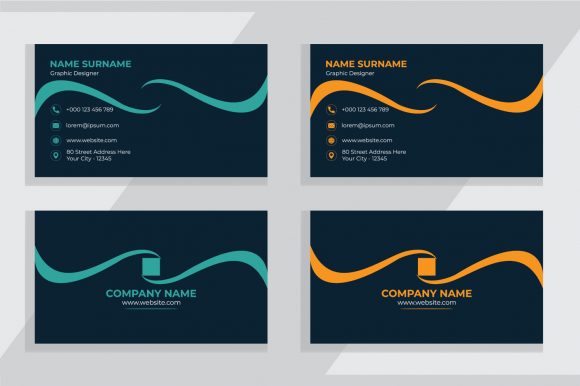
Business Card or Visiting Card Template: A Practical Tool for Professionals
In the fast-paced world of business, making a strong first impression is key. Whether you're meeting a client in person, attending an industry event, or handing out cards at a networking function, your business card or visiting card template can be the difference between being remembered and being overlooked. But what exactly is a business card template, and why should it matter to you? Let’s dive into real-world use cases and explore how this simple tool can enhance your professional image across industries.
Real-World Use Cases for Business Cards
Business cards are more than just printed contact info—they’re mini billboards of your brand. The right visiting card template can communicate professionalism, creativity, or innovation depending on your field. Here are some practical scenarios where they shine:
- Freelancers and consultants: When working with multiple clients, having a custom business card makes you look established and serious about your craft. A clean, easy-to-edit design ensures you can update details like project names or new services quickly.
- Event organizers: At conferences, trade shows, or meetups, a high-quality business card helps attendees remember who you are and how to reach you later. Using a template that supports vector graphics ensures crisp printing even in large quantities.
- Entrepreneurs launching startups: Startups often operate on tight budgets, but a professionally designed card using a CMYK color mode and 300 DPI resolution can help you stand out without breaking the bank.
- Creative professionals (designers, artists, photographers): These individuals often rely on visual impact. A business card or visiting card template with a modern layout and free font options allows them to showcase their style while maintaining readability.
Choosing the Right File Format for Your Needs
When you’re designing a business card or visiting card template, the file format plays a crucial role in the final product. Many templates come in both Illustrator EPS and JPG formats, offering flexibility based on your needs:
- EPS files are ideal if you want to make edits after downloading. They support vector graphics, meaning your logo or text won’t pixelate when scaled. This is especially important if you plan to print your cards locally or through a service that requires editable layers.
- JPG files are best suited for situations where you need a ready-to-print version. They’re high-resolution (often 300 DPI) and ensure accurate color reproduction, especially when using CMYK color mode for professional printing.
If you're not confident in editing vector graphics yourself, choosing a template that includes pre-made JPGs could save time and money. On the other hand, if you want full control over colors, fonts, and layout, going with an Illustrator EPS file gives you the freedom to customize everything down to the last detail.
Industry-Specific Applications
Different industries have unique needs when it comes to business cards. For example:
- Healthcare professionals might prefer minimalist designs with clear, legible fonts. A visiting card template with a soft color palette and subtle branding aligns well with the calm and trustworthy image they want to convey.
- Technology companies often go for sleek, modern layouts. Using a 3.5×2″ template with bold typography and clean lines reflects the cutting-edge nature of their work.
- Restaurant owners may incorporate imagery or QR codes linking to menus or websites. In such cases, having access to vector-based templates becomes essential to maintain quality across all elements.
- Nonprofits and NGOs benefit from templates that emphasize contact information and mission statements. The ability to edit freely lets them tailor each card to specific outreach efforts or campaigns.
What Makes a Good Business Card Template?
A great business card or visiting card template isn't just about aesthetics—it's about functionality and adaptability. Here are some common features that set good templates apart:
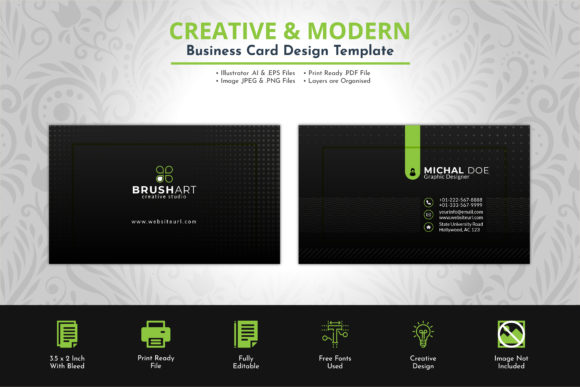
- 300 DPI resolution: Ensures sharp, clear prints—especially important for logos or intricate designs.
- Illustrator EPS and JPG files: Provides both editable and print-ready versions, giving users maximum flexibility.
- CMYK color mode: Designed specifically for printing, which avoids unexpected color shifts during production.
- 3.5×2″ size: Standard in many countries, making it compatible with most printers and cardholders.
- Free font use: Saves costs and legal headaches, allowing anyone to use the template without worrying about licensing issues.
- 100% vector design: Scales perfectly without losing quality, whether you're printing 50 cards or 5000.
These features collectively ensure that your card looks professional and functions well in any setting. But beyond technical specs, the true value lies in how well the template fits your personal or company brand.
Customization Tips for Real Users
One of the biggest advantages of using a business card or visiting card template is the ease of customization. However, not everyone knows how to make the most of it. Here are a few tips based on real user experiences:
- Always check the bleed area before finalizing your design. Some printers require extra space around the edges to avoid cutting off important elements.
- Use high-resolution images for photos or icons. Low-quality graphics can ruin an otherwise excellent design.
- Stick to two to three fonts max to keep your card visually cohesive. Even with free font options, simplicity wins in professional settings.
- Make sure your color scheme works in black and white too. Not every printer will handle color accurately, and you don’t want your card to lose its appeal if it ends up grayscale.
- Test your template by printing a few samples. This helps catch alignment issues or typos before mass production.
Strengths and Limitations of Using Templates
Using a visiting card template has its pros and cons. Let’s take a closer look at both so you can decide if it’s the right approach for your situation:
Strengths
- Time-saving: Instead of starting from scratch, you get a solid foundation that you can build upon. This is especially useful for small businesses or solopreneurs juggling multiple responsibilities.
- Cost-effective: With many templates available online for little or no cost, you can create a professional-looking card without hiring a designer.
- Consistency: If you already have a brand identity, using a template ensures your business card matches your website, social media, or packaging in terms of fonts, colors, and layout.
- Print readiness: Most templates are built to be 3.5×2″ and CMYK compliant, so you can send them directly to a printer with confidence.
Potential Limitations
- Limited originality: While templates provide a good base, they can sometimes lead to similar-looking cards across different businesses. To stand out, consider tweaking the design significantly or adding a unique visual element.
- Design skill required: Editing an Illustrator EPS file demands at least basic familiarity with design software. If you're not tech-savvy, you may need to outsource the final touches.
- Overcomplication: It's easy to add too much content to a small space. Remember, less is often more when it comes to effective communication on a business card.
How to Choose the Best Template for You
Selecting the right business card or visiting card template depends on your audience, purpose, and budget. Consider the following questions before making a choice:
- Will I be printing these myself, or sending them to a professional printer?
- Do I need to include a logo, photo, or other graphics?
- Am I okay with using free fonts, or do I need something more premium?
- Is my design going to stay static, or will I need to update it frequently?
- Does the template support vector scaling for larger print runs or promotional materials?
Answering these questions can help you determine whether a basic JPG template or an advanced Illustrator EPS file is more suitable for your needs. If you're planning to use the same design for brochures or letterheads, opt for a fully scalable vector-based template.
Practical Examples of Template Usage
Let’s look at how different users have applied business card or visiting card templates in their real-world scenarios:
- Marketing agency owner: She used an EPS template to create a series of cards for her team. Each card featured a personalized photo and role description, helping clients instantly recognize the point of contact.
- Interior designer: He chose a JPG template with a matte finish to match his portfolio. The high-resolution output ensured that textures and patterns on the card were as detailed as his design work.
- Startup founder: He downloaded a free font-friendly template and added a QR code linking to his pitch deck. This made follow-up meetings more efficient and showcased his tech-forward mindset.
Common Mistakes to Avoid
Even with the best tools, people can make errors when creating their visiting card templates. Here are a few to watch out for:
- Ignoring the bleed zone when preparing for print.
- Using RGB instead of CMYK color mode, which can result in inaccurate color representation.
- Not checking how the design looks when printed in black and white.
- Overloading the card with unnecessary information, such as long paragraphs or too many contact methods.
- Forgetting to proofread before finalizing the design. Typos can damage your credibility faster than anything else.
By staying aware of these pitfalls, you can ensure your final product is polished and impactful.
Final Thoughts on Designing Your Card
Your business card or visiting card template is a powerful extension of your personal or company brand. It's not just about looking good—it's about being functional, memorable, and aligned with your goals. Whether you're a seasoned professional or just starting out, taking the time to choose and customize the right template can pay dividends in the form of better connections, increased trust, and stronger visibility.
So next time you're handed a business card, think about what it represents. And when it's your turn to hand one out, make sure yours leaves the right impression.