Charity Flyer Design: A Practical Guide to Creating Impactful Print Materials for Nonprofits
For nonprofit organizations, businesses, and community groups, a well-crafted charity flyer design can be a powerful tool in raising awareness, generating support, or promoting an upcoming event. Whether you're launching a fundraising campaign, announcing a charity walk, or seeking volunteers, the right flyer can help you connect with your audience effectively. In this article, we’ll explore what makes a good charity flyer, how it differs from other promotional materials, and when it might be the best choice for your next outreach effort.
What Is a Charity Flyer Design?
A charity flyer design refers to a printed or digital document that communicates information about a charitable cause, event, or initiative. These flyers are typically designed to be visually appealing, concise, and easy to read. They often include key elements such as:
- Clear call-to-action: Encouraging donations, volunteering, or event attendance.
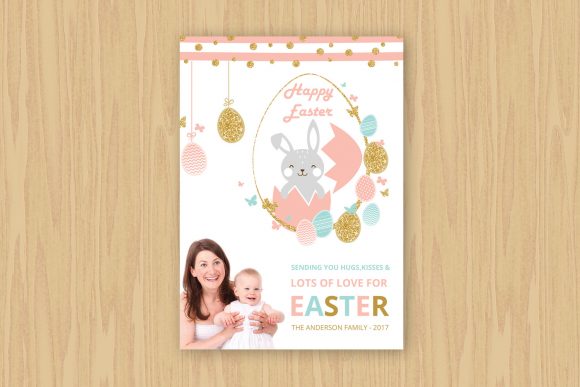
- Compelling imagery: Photos of beneficiaries, event scenes, or symbolic graphics that evoke emotion.
- Essential details: Date, time, location, purpose, and how to get involved.
- Brand alignment: Consistent use of logos, colors, and fonts to reinforce trust and identity.
One of the distinguishing features of a charity flyer design is its focus on emotional appeal and urgency. Unlike standard marketing materials, which may emphasize product benefits or sales, charity flyers aim to inspire action by highlighting the importance of a cause and the impact of contributions.
Key Features of Effective Charity Flyer Designs
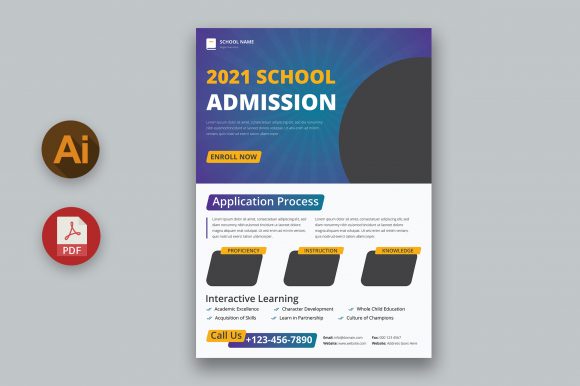
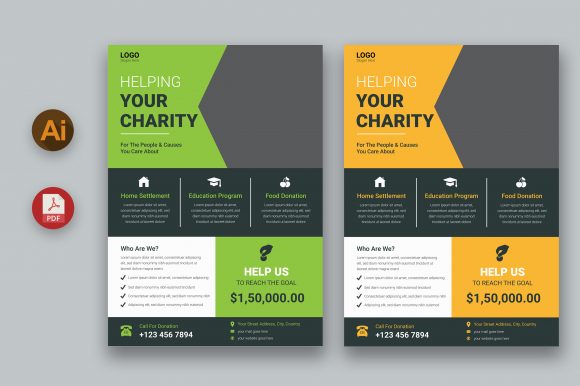
Many modern charity flyer templates come with built-in features that make them user-friendly and suitable for print. For instance, some designs are compatible with Adobe Illustrator, MS Word, and PDF formats, allowing for flexibility depending on your editing capabilities. These templates often include:
- CMYK color profiles, ensuring accurate color reproduction during printing.
- 300 DPI resolution, which is essential for high-quality prints.
- Free font usage, reducing costs while maintaining professional aesthetics.
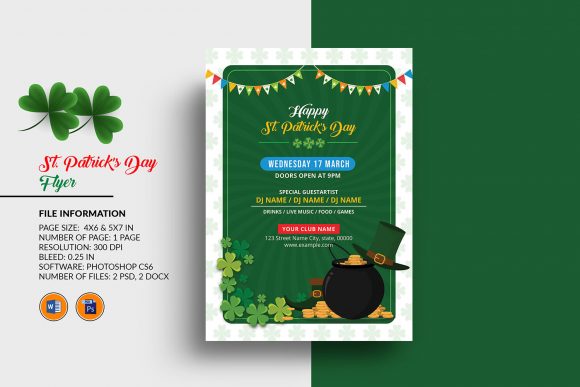
- Bleed area (typically 0.25 inches), preventing white borders if not properly trimmed.
- Easy customization for images, text, and colors, enabling users to tailor the design quickly.
This kind of template is especially useful for individuals or small teams who need a print-ready format without extensive graphic design experience. The balance between simplicity and professionalism allows even those with basic editing skills to produce effective results.
Strengths of Using a Charity Flyer Design
There are several advantages to using a charity flyer design for your outreach efforts:
- Cost-effective promotion: Compared to digital ads or billboards, flyers can be produced at a lower cost, making them ideal for tight budgets.
- Tangibility and reach: Printed flyers can be distributed in person or placed in strategic locations like coffee shops, libraries, or community centers, where they may be picked up and read by people who aren't always online.
- Customizability: Many templates allow for quick changes to text, layout, and visuals, helping you adapt the flyer to specific events or audiences.
- High visual impact: With the right imagery and design, flyers can create a strong emotional connection and drive immediate engagement.
These strengths make charity flyers a popular choice for local campaigns, school projects, religious organizations, and small nonprofits looking to spread their message efficiently.
Tradeoffs and Limitations to Consider
While charity flyer design offers many benefits, there are also some limitations and tradeoffs to consider before committing to this format:
- Limited space: Flyers require concise messaging, which can be challenging when dealing with complex causes or multiple initiatives.
- No interactive elements: Unlike digital content, printed flyers can’t include links, videos, or animations—so all communication must be visual and textual.
- Environmental concerns: Excessive printing can contribute to paper waste, so it’s important to consider eco-friendly options or limit distribution appropriately.
- Short shelf life: If a flyer isn’t picked up or viewed immediately, it may go unnoticed or become outdated quickly.
Additionally, the success of a charity flyer depends heavily on its placement and design quality. A poorly executed or misplaced flyer may fail to engage the target audience altogether.
When to Choose a Charity Flyer Design
A charity flyer design is most appropriate in situations where a physical handout complements your outreach strategy. Here are a few scenarios where it could be the right choice:
- Local events: Promoting a charity run, food drive, or donation collection at schools, churches, or neighborhood gatherings.
- Community-based campaigns: When targeting a specific geographic area and needing a tangible reminder of your mission.
- Small-scale initiatives: Projects with limited resources but a clear message that can benefit from a professionally designed print piece.
- Print-focused outreach: If your audience is less tech-savvy or prefers traditional methods of receiving information.
For example, a local animal shelter organizing a pet adoption day might find a charity flyer design more effective than a social media ad for reaching nearby residents. Similarly, a university club planning a charity night could distribute flyers around campus to generate interest among students.
Alternatives to Charity Flyer Design
Depending on your goals and audience, there are several alternatives to consider alongside or instead of a charity flyer design:
- Email newsletters: Ideal for reaching existing contacts with detailed updates and multimedia content.
- Social media posts: Great for real-time engagement and viral sharing, especially with younger demographics.
- Website banners: Useful for driving traffic to a dedicated campaign page or donation portal.
- Posters: Similar to flyers but usually larger and meant for permanent display in public spaces.
- Direct mail campaigns: More formal and targeted, these can include brochures, postcards, or personalized letters.
Each option has its own pros and cons. While email and social media offer broader reach and interactivity, they require a digital presence and active engagement. On the other hand, a charity flyer design provides a hands-on approach that can complement digital strategies effectively when used together.
How to Evaluate the Best Option for Your Needs
To determine whether a charity flyer design is the best fit for your project, consider the following factors:
- Audience preferences: Are they more likely to respond to print materials or online content?
- Message complexity: Can your core message be summarized clearly in a short, impactful format?
- Resource availability: Do you have access to printers, paper, and staff to distribute flyers?
- Event scope: Is your initiative localized or global in nature? Localized efforts may benefit more from flyers.
- Design capability: Will you edit the flyer yourself, or do you need someone with design software expertise?
By asking these questions, you can better assess whether a charity flyer will serve your needs or if another medium would be more effective.
Real-World Applications of Charity Flyer Design
Let’s look at a few realistic examples of how charity flyer design can be applied:
- Fundraising Drives: A local hospital’s blood donation campaign uses a charity flyer design to outline the date, requirements, and impact of participation.
- Volunteer Recruitment: A community garden project distributes flyers to nearby neighborhoods, encouraging residents to join planting days.
- Event Promotion: An art gallery hosting a charity auction shares flyers in cafes and boutiques to attract potential attendees and donors.
- Nonprofit Awareness: A new environmental organization introduces itself through a series of colorful flyers posted in eco-conscious hubs like farmers’ markets and recycling centers.
In each case, the flyer serves as a quick, visual summary that prompts further action—whether it's attending an event, visiting a website, or simply learning more about the cause.
Best Practices for Customizing Your Charity Flyer
If you’re working with a customizable charity flyer design, here are some tips to ensure your final product is both effective and professional:
- Use high-resolution images: Blurry or pixelated photos can detract from credibility and visual appeal.
- Keep text simple and readable: Avoid overcrowding the flyer with too much information. Use bullet points or short phrases.
- Highlight the most urgent details first: Place the event date, time, and location near the top or center of the design.
- Include a QR code or URL: Even in print, linking to a digital resource gives recipients an easy way to learn more or donate.
- Test different versions: If possible, try distributing two variations of your flyer—one with bold colors and one with subdued tones—to see which performs better.
Remember, the goal is to inform and motivate, not overwhelm. A clean, thoughtful design is more likely to resonate with readers and lead to action.
Conclusion
A charity flyer design can be an excellent addition to your promotional toolkit, particularly for grassroots efforts, local events, or organizations with a clear, concise message. Its ease of customization, print readiness, and visual appeal make it accessible and practical for many users. However, it’s not a one-size-fits-all solution. By weighing its strengths against alternatives and understanding your audience’s preferences, you can decide whether a charity flyer is the best way to promote your business or cause—or if a different approach should take priority.