Happy Easter Greeting Card: A Practical Guide for Seamless Design and Use
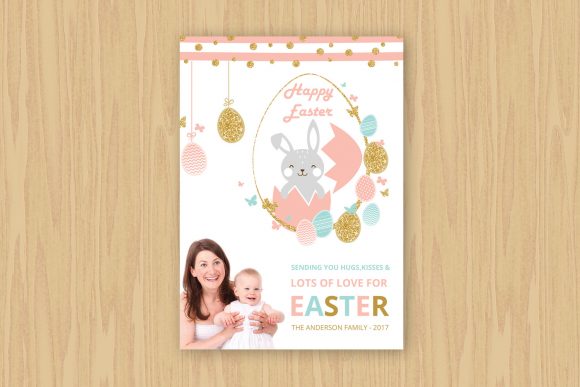
The Happy Easter Greeting Card is a digital design resource that allows users to create personalized, high-quality greeting cards for the Easter holiday. Whether you're an entrepreneur preparing for seasonal marketing, a small business owner looking to connect with customers, or simply someone who wants to send a heartfelt message to loved ones, this template streamlines the process of designing a professional and visually appealing card.
Understanding the Template's Role in Your Creative Workflow
Incorporating the Happy Easter Greeting Card into your workflow can significantly reduce the time and effort required to produce a custom card. The template comes as a Photoshop CS6 PSD file, optimized for both Adobe Photoshop and Photoshop Elements. This makes it accessible to a wide range of users, from graphic designers using full-featured software to hobbyists working with simplified tools.
The card is designed at 5x7 inches with a resolution of 300 dpi, which is ideal for both print and digital use. Its CMYK color mode ensures accurate color reproduction when printed professionally, while the inclusion of a 0.25-inch bleed provides flexibility for trimming during production.
Before You Start: Preparation and Compatibility Checks
Before diving into the design process, ensure that your system meets the necessary requirements. The template works best with Photoshop CS6 or later versions, including Photoshop Elements. If you're planning to print the card, confirm that your printer or printing service supports CMYK files and the specified dimensions.
It's also important to review the included help text file thoroughly. This document contains crucial information such as font download links, layer organization tips, and instructions on how to replace photos or adjust text. Taking a few minutes to familiarize yourself with these details will save time and avoid potential errors later.
During the Design Process: Customization Made Simple
One of the standout features of the Happy Easter Greeting Card template is its user-friendly customization. The text layers are clearly labeled and organized, allowing you to quickly select and modify messages using the text tool. If you wish to change the font, the help file includes a direct link to download the used font, making it easy to maintain consistency across all design elements.
Photographs in the template are embedded as smart objects, meaning you can easily swap them out without affecting the layout or quality. To do so, navigate to the designated photo folder within the layers panel and double-click the smart object to insert your preferred image. This feature is especially useful for adding personal touches or aligning the card with specific branding guidelines.
For those who want to add more visual flair, consider experimenting with additional Easter-themed graphics or illustrations. These can be sourced from online marketplaces like Adobe Stock or Canva, depending on your budget and design preferences. Always keep alignment and spacing consistent to preserve the card’s readability and aesthetic appeal.
After Design: Output and Distribution Strategies
Once your design is complete, export the file in a format suitable for your intended use. For print, ensure you're saving in PDF or TIFF with bleed and trim marks included. For digital sharing—such as email, social media, or website banners—export as a JPEG or PNG at a reduced size if needed.
If you plan to mass-produce the cards, share the final artwork with your printing vendor well in advance to allow for revisions and quality checks. For digital distribution, test the exported file on multiple devices and screen sizes to ensure it displays correctly across platforms.
Remember, the Happy Easter Greeting Card isn't just about aesthetics—it's also about delivering a meaningful message. Keep the content warm, inclusive, and appropriate for your audience, whether it's family members, colleagues, or clients.
Integration Tips Across Different Use Cases
- Entrepreneurs and Small Business Owners: Use the card as part of a seasonal marketing campaign. Pair it with promotional emails or include it in customer appreciation packages to reinforce brand loyalty.
- Event Planners: Customize the card for Easter parties, church services, or community events. Add event-specific details such as dates, locations, or QR codes linking to RSVP pages.
- Bloggers and Content Creators: Embed a version of the card in your blog posts or newsletters to engage readers with a downloadable Easter greeting they can personalize and share.
- Freelancers and Designers: Incorporate the template into your portfolio or offer it as a client deliverable. Its structure and clarity make it an excellent example of efficient, reusable design work.
- Personal Use: Send customized greetings to friends and family via email or social media. With minimal effort, you can create something thoughtful and memorable.
Workflow Example: From Concept to Delivery
- Open the PSD file in Photoshop or Photoshop Elements.
- Review the help text file for any special instructions or notes.
- Edit the text layers to reflect your desired message, ensuring it's clear and aligned with your brand voice or personal style.
- Replace the placeholder photo by accessing the smart object in the photo folder. Choose a relevant image that enhances the overall mood of the card.
- Adjust colors, fonts, or layout as needed to match your project's specifications.
- Export the final design in the appropriate format (PDF for print, JPEG/PNG for digital).
- Test the output for clarity and compatibility before sending it off for printing or sharing it digitally.
Usability and Organization: Making the Most of the Template
A well-organized template is essential for smooth workflows. In the Happy Easter Greeting Card, layers are grouped logically, with clear naming conventions for text, images, and background elements. This structure not only helps prevent accidental edits but also allows for quicker modifications in the future.
When working with smart objects, always remember to duplicate them before editing, especially if you plan to reuse the same layout with different images. This practice maintains the original design and keeps your workspace clean.
For long-term use, store the template in a centralized design asset folder. If you frequently create holiday greetings, build a library of similar templates to streamline future projects and maintain a cohesive look across all materials.
Quality Control and Consistency
To ensure the highest quality output, always perform a final check before exporting. Verify that:
- All text is legible and free of typos.
- Colors are consistent and render properly in CMYK mode.
- Images are high-resolution and properly scaled.
- Layer visibility is set correctly—no hidden or unnecessary elements remain.
If you're creating multiple variations of the Happy Easter Greeting Card—for different recipients or purposes—use a naming convention to differentiate between them. Something like “EasterCard_ClientName_Version1.psd” can help with tracking and referencing.
Efficiency and Reusability in Design Projects
The Happy Easter Greeting Card is a prime example of a reusable design asset. Once you've mastered the template, you can adapt it for other holidays or events with minor changes to the imagery and text. This approach saves time and resources, especially if you manage recurring campaigns or need to create greetings throughout the year.
Consider building a simple checklist for each new card you create:
- Update text to reflect current names, dates, or messages.
- Insert the correct photo using the smart object method.
- Check for formatting issues, such as misaligned text or low-resolution images.
- Export and validate the final file before sharing or printing.
Collaboration and Custom Requests
Designing greeting cards often involves collaboration, especially when working with teams or clients. If you're collaborating, share the PSD file along with the help text document to ensure everyone understands how to edit and maintain the template’s integrity.
For custom requests, the designer encourages reaching out directly. If you have unique needs—such as a different layout, additional language support, or brand-specific elements—you can contact the creator for tailored adjustments. This level of support is rare in many digital products and can be invaluable for businesses or individuals seeking a truly personalized solution.
You can also recommend the artwork and leave a positive review if you find it useful. Such feedback not only supports the creator but also helps others discover reliable and effective design resources.
Best Practices for Long-Term Use
To get the most out of the Happy Easter Greeting Card over time, consider the following:
- Keep the original PSD file intact for future edits. Avoid flattening layers unless absolutely necessary.
- Archive completed projects in a structured folder system, making it easier to revisit or repurpose designs later.
- Stay updated with font licensing terms. Some downloadable fonts may require proper attribution or usage rights, especially for commercial applications.
- Use version control if you're making iterative changes. This helps track updates and revert to previous drafts if needed.
Conclusion and Next Steps
The Happy Easter Greeting Card offers a practical, customizable solution for creating professional-quality holiday greetings. Its integration with Photoshop and Photoshop Elements, combined with smart object technology and detailed documentation, makes it a valuable tool for both personal and professional use.
By understanding how to prepare, customize, and distribute the card efficiently, you can enhance your creative output and maintain a consistent, high-quality standard. Whether you're managing a seasonal campaign or simply wanting to send a personalized message, this template simplifies the entire process.
For further assistance or custom design needs, don’t hesitate to reach out to the creator. Their willingness to collaborate ensures that your design stays true to your vision. And if you’re satisfied with the product, take a moment to recommend it and leave a review—your feedback helps improve the experience for others.