Graphic Designer ID Card: A Practical Guide for Customization and Use
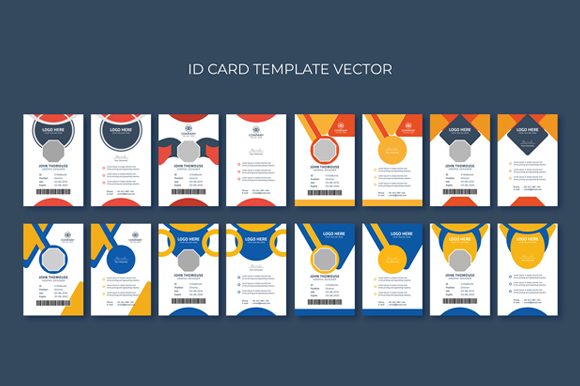
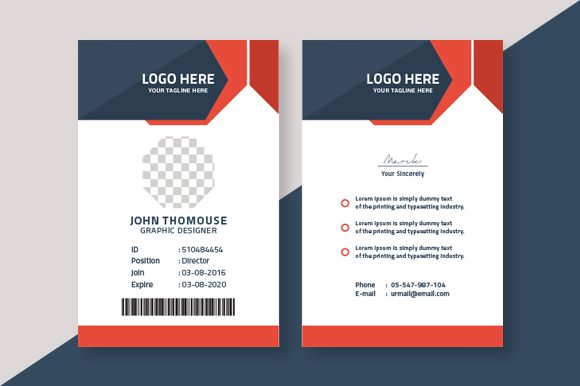
A Graphic Designer ID Card is a specialized identity card tailored for professionals in the graphic design field. It typically includes key information such as the designer's name, title, contact details, company logo, and sometimes a small portfolio snippet or signature. These cards are essential tools for branding, networking, and establishing credibility in both print and digital formats.
Why Someone Might Be Interested in a Graphic Designer ID Card
For graphic designers, an ID card is more than just a business card—it serves as a visual representation of their professional identity. Whether used at client meetings, design conferences, or online portfolios, a well-designed ID card can communicate creativity, professionalism, and attention to detail. Individuals interested in creating one may be looking to:
- Enhance their personal brand with a visually appealing and consistent design.
- Stand out among competitors by showcasing unique design elements.
- Have a reliable tool for quick introductions during events or job fairs.
- Ensure print readiness for high-quality physical copies that reflect their work standards.
Key Features of This ID Card Template
This ID Card Template offers several features that make it suitable for use by graphic designers:
- Editable and customizable—All main elements are easy to modify, allowing for full personalization.
- Free font used—Ensures accessibility and ease of editing without requiring premium typefaces.
- Bleed setting of 0.125 inch—Helps prevent white edges when printing, maintaining a clean look.
- CMYK color setting—Optimized for print accuracy, ensuring colors appear as intended on physical cards.
- EPS file format—Provides scalability and high resolution for professional printing needs.
- 300 DPI resolution—Guarantees crisp and clear output, especially important for detailed designs.
- Design help information included—Offers guidance on how to effectively use and edit the template.
However, it’s important to note that while this template provides a solid foundation, it does not include images, so users must source or create their own graphics to match their style and branding.
Benefits
- Time-efficient customization: With all main elements editable, users can quickly adapt the template to fit their needs.
- Print-ready specifications: The CMYK setting, bleed margins, and high resolution ensure compatibility with most professional printers.
- Cost-effective: Using free fonts and a ready-made template helps reduce production costs.
- Learning opportunity: Working with an EPS file can help users improve their skills in vector-based design software like Adobe Illustrator.
Tradeoffs
- Limited imagery: Since the template doesn’t include images, users need to have their own visuals prepared, which could add time or cost to the project.
- Font limitations: While the free font is versatile, it may not match every designer’s aesthetic preferences, potentially limiting creative expression.
- No advanced layout options: The design is straightforward, making it less ideal for those who want highly complex or layered layouts.
Considerations When Choosing an ID Card Template
Selecting the right ID card template depends on your specific goals and requirements. Here are some considerations to keep in mind:
- Brand consistency: Ensure the template aligns with your existing brand guidelines, including colors, fonts, and logos.
- Software compatibility: Verify that you have access to the necessary software (like Adobe Illustrator) to open and edit EPS files.
- Printing needs: If you plan to print the ID card, confirm that your printer accepts CMYK files and understands bleed settings.
- Customization level: Assess whether the template allows for enough flexibility to express your individual or company identity.
- Image sourcing: Plan ahead for where you’ll get the images needed, as they’re not included in this template.
Situations Where This Template Is a Strong Fit
The Graphic Designer ID Card Template is particularly well-suited for the following scenarios:
- Freelancers or startups: Those who need a basic but professional ID card without a large budget will find this template practical and effective.
- Quick turnaround projects: If you need an ID card designed and printed within a short timeframe, this template can streamline the process.
- Entry-level designers: As a learning resource, the template offers hands-on experience with print-ready design practices and vector file formats.
- Standardized branding efforts: For businesses or teams needing multiple ID cards with the same core design, this template supports uniformity across all versions.
Situations Where Alternatives May Be Worth Considering
While this template has many strengths, there are cases where other options might better meet your needs:
- Highly customized or artistic designs: If you require intricate illustrations, special effects, or non-standard shapes, consider hiring a professional designer or using a more flexible platform like Canva or Adobe Express.
- Lack of design software: Without access to programs like Illustrator, this template may not be usable. In such cases, opt for templates in more accessible formats like PSD or PDF.
- Need for embedded assets: If you prefer a template that comes with pre-loaded images or icons, search for alternatives that bundle these resources.
- Multi-purpose cards: Some designers may want their ID cards to also serve as QR codes, social media links, or mini portfolios. Look for templates that support these integrations.
Practical Decision-Making Insights
When deciding whether the Graphic Designer ID Card Template fits your needs, ask yourself the following questions:
- Do I need a simple, clean design that focuses on text and minimal graphics?
- Am I comfortable sourcing my own images and working with vector-based software?
- Will this card be used primarily for in-person interactions or events?
- Do I require a template that is easy to replicate for team members or clients?
If your answers lean toward "yes," then this template is likely a good fit. However, if you require more flexibility in layout or content, investing in a custom design or selecting a different template may be more appropriate.
Expectations and Best Practices
Using this Graphic Designer ID Card Template sets the stage for a polished final product, but achieving the best results requires careful planning:
- Plan your content: Decide what information should be featured before beginning the customization process.
- Test prints: Always do a test print before ordering large quantities to ensure color accuracy and layout correctness.
- Use high-quality images: Since images are not provided, ensure any photos or graphics you add are of high resolution and relevant to your brand.
- Follow design principles: Even with a ready-made template, applying principles like contrast, alignment, and hierarchy can significantly enhance usability and aesthetics.
Also, remember that while the template is CMYK-ready, always double-check with your printer for any additional specifications they may require.
Conclusion
The Graphic Designer ID Card Template is a valuable tool for professionals seeking a functional, high-resolution, and customizable solution for their identity needs. Its combination of technical accuracy and ease of use makes it a strong contender for those prioritizing efficiency and print quality. However, it’s important to weigh its limitations—such as the absence of built-in images and font constraints—against your specific requirements.
Ultimately, the decision to use this template should be based on your workflow, brand identity, and available resources. By evaluating your needs and understanding the features offered, you can determine whether it aligns with your goals or if another option would serve you better.