How Invoice Templates Streamline Project Management and Payment Tracking
Managing multiple projects, keeping track of every item or service provided, and ensuring timely payments can be a complex task for professionals across various industries. Fortunately, modern invoice templates are designed to simplify this process by offering a structured, organized, and customizable way to document and send invoices. Whether you're an independent contractor, a small business owner, or part of a larger enterprise, having the right invoice template is essential for maintaining professionalism, clarity, and efficiency in your financial transactions.
Understanding the Role of Invoice Templates
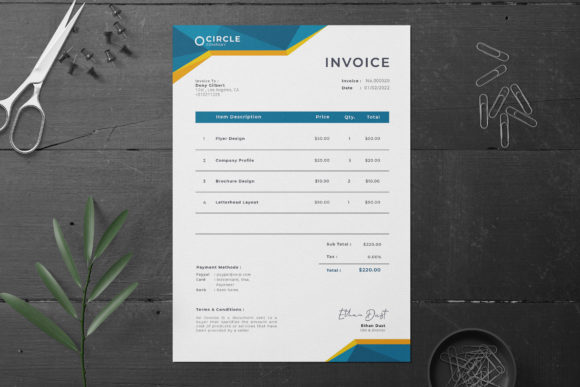
An invoice serves as a formal record of goods or services rendered and the corresponding payment due. It’s not just a request for money—it’s also a legal document that outlines agreements between parties. A well-designed invoice template ensures that all necessary details are included: client information, project specifics, pricing, taxes, and payment terms. This helps avoid misunderstandings and facilitates smoother communication with clients.
Invoice templates are particularly useful when managing several projects simultaneously. They allow users to list and count every piece involved in each project accurately. For instance, if you’re a graphic designer working on multiple branding campaigns, an invoice template enables you to detail the number of hours spent, the design assets delivered, and any additional services such as revisions or consultations.
Customization and Flexibility Across Platforms
The best invoice templates are those that offer full customization to match your brand identity and specific project requirements. Many professional-grade templates are compatible with Adobe Illustrator, Adobe Photoshop, and Microsoft Word. These platforms provide tools that allow users to modify colors, fonts, layout elements, and more, ensuring the final invoice looks polished and reflects your business's aesthetic.
For example, if you prefer a minimalist look for your invoices, you can easily adjust the color scheme using CMYK format for print accuracy. The high resolution (300 DPI) and 3 mm bleed ensure that when printed on A4 size (21cm × 297 cm) or US Letter paper, there are no issues with scaling or trimming. Additionally, smart layers in design software like Illustrator help keep the structure neat and easy to edit without disrupting other parts of the template.
Choosing the Right Fonts
Typography plays a significant role in the readability and visual appeal of an invoice. Most invoice templates use free fonts from sources like Dafont or Google Fonts, which are both versatile and professional. These fonts are often optimized for digital and print formats, making them suitable for sending via email or delivering in person.
When selecting a font, it's important to consider legibility. Sans-serif fonts like Arial or Helvetica tend to be easier to read on screens, while serif fonts like Times New Roman or Georgia may be preferred for printed documents. The choice ultimately depends on your personal style and the expectations of your clients.
Practical Use Cases for Invoice Templates
Invoice templates aren't limited to a single industry—they're used widely across creative fields, consulting, freelancing, education, and even hobby-based businesses. Here are some common scenarios where these templates prove invaluable:
- Freelancers and Contractors: When juggling multiple clients and projects, an invoice template helps maintain consistency and professionalism in billing.
- Small Business Owners: Invoices are crucial for tracking income and expenses. Using a customizable template ensures accurate and timely invoicing.
- Event Planners: From venue bookings to vendor payments, event planners can benefit from detailed invoice templates that break down costs clearly.
- Educators and Coaches: Whether you charge per session or package rates, an invoice provides a clear breakdown of what students or clients owe.
- Photographers and Videographers: These creatives often deliver large volumes of work, and an invoice template allows them to itemize every photo shoot, edit, or delivery efficiently.
Real-World Relevance and Examples
Let’s say you’re a web developer who recently completed a site redesign for a local restaurant. Using an invoice template, you can outline the hours spent on front-end development, back-end coding, content migration, and post-launch support. You can also include line items for any extra features requested during the project, such as mobile optimization or booking integrations.
Another example could be a marketing agency handling three different campaigns for clients. With a customizable invoice template, the team can create separate invoices for each campaign, listing the number of social media posts created, SEO strategies implemented, and analytics reports delivered. This level of detail makes it easier for clients to understand the value they received and for the agency to track their revenue effectively.
Advantages of Using Editable Invoice Templates
Editable invoice templates offer numerous advantages beyond just aesthetics. Let’s explore some key benefits:
- Time Efficiency: Instead of creating invoices from scratch, professionals can save time by reusing templates tailored to their needs.
- Accuracy and Consistency: Structured templates reduce the risk of errors and ensure that all necessary fields—such as client names, dates, and totals—are consistently filled out.
- Brand Representation: Customizable templates let you incorporate logos, brand colors, and company information, reinforcing your professional image.
- Client Transparency: Clear, itemized invoices help build trust with clients by showing exactly what they’re being charged for.
- Payment Promptness: Professional-looking invoices encourage clients to pay promptly, as they appear more credible and trustworthy.
Moreover, many invoice templates come with pre-set tax calculations and currency options, which are especially helpful for international clients or multi-state operations. Some even include payment gateways or QR codes to make the payment process seamless for clients.
Design Considerations for Effective Invoicing
While functionality is key, the design of an invoice should never be overlooked. A clean, well-organized layout makes it easier for clients to review the charges and locate critical information like total amounts and due dates. Smart layering in design files ensures that changes made to one section don’t affect others, preserving the integrity of the document.
It's also important to remember that most preview images shown in invoice templates are for demonstration purposes only. They are typically not included in the main downloadable file. Users should replace these with actual project-related visuals or remove them entirely if not needed.
Implementing Invoice Templates into Your Workflow
Incorporating invoice templates into your workflow requires minimal setup but offers maximum returns. Start by choosing a template that aligns with your business type and branding. Once selected, customize it with your company logo, address, and contact information. Save this as a reusable file so you can generate new invoices quickly as projects are completed.
For digital workflows, templates can be exported as PDFs for secure sharing. If you frequently work with physical contracts or proposals, having a high-resolution version ready for printing is equally important. The 300 DPI standard ensures crisp text and sharp images, while the bleed settings prevent unwanted white edges after trimming.
Consider automating your invoicing process using software that integrates with your chosen template. Tools like QuickBooks or FreshBooks can pull data directly into your invoice format, reducing manual input and increasing accuracy.
Common Mistakes to Avoid
Even with the best invoice template, errors can occur if certain practices aren't followed. Below are a few pitfalls to watch out for:
- Missing Key Details: Always double-check that all required fields—like client name, project description, and payment method—are included.
- Incorrect Formatting: Ensure that numbers are properly formatted (e.g., $500.00 instead of 500$), and that sections are aligned correctly.
- Lack of Personalization: While templates are standardized, adding a personalized message or signature can enhance the client experience.
- Ignoring Legal Requirements: Depending on your location and industry, invoices may need to include specific legal clauses or tax identification numbers.
- Overlooking Due Dates: Clearly state the payment terms and due date to manage expectations and reduce delays.
Future Trends in Invoice Design and Management
As remote work and digital transactions become the norm, invoice templates are evolving to meet new demands. One trend is the integration of AI-powered tools that automatically generate invoices based on project timelines or time-tracking logs. Another is the shift toward eco-friendly, digital-only invoices that eliminate the need for paper and postage.
We're also seeing more interactive invoice designs that include clickable links for payment processing, embedded calendars for scheduling follow-ups, and dynamic fields that update automatically based on user inputs. These advancements reflect the growing need for efficiency and convenience in today’s fast-paced business environment.
Comparing Traditional vs. Digital Invoicing
Traditional invoicing involves manually filling out forms and mailing them, which can be slow and prone to errors. Digital invoicing, on the other hand, leverages technology to streamline the entire process—from creation to delivery and payment tracking.
Digital invoice templates are often cloud-compatible, allowing teams to collaborate in real-time. They can also be stored securely, accessed instantly, and sent with a few clicks. In contrast, traditional methods require more administrative effort and carry the risk of lost or delayed mail.
Despite these advantages, some clients still prefer physical copies, especially in regulated industries like healthcare or construction. Therefore, it's wise to have both digital and printable versions of your invoice template available.
Who Benefits Most from Invoice Templates?
Although invoice templates are valuable for nearly everyone, certain groups find them particularly beneficial:
- Professionals: Lawyers, consultants, and architects rely on precise invoicing to document billable hours and materials used.
- Business Owners: Entrepreneurs can track revenue streams and manage cash flow with consistent, detailed invoices.
- Researchers and Educators: These individuals can invoice for grants, research assistance, or private tutoring sessions using structured templates.
- Creators and Artists: Freelance writers, designers, and musicians can use invoice templates to list the number of works delivered or services performed.
- Hobbyists: Those running side businesses or selling handmade products can present themselves professionally using invoice templates.
By tailoring the template to fit the nature of the work, anyone can leverage its full potential to improve their financial management and client interactions.
Observations from Real-World Usage
In practice, users who adopt invoice templates report faster turnaround times and fewer disputes over charges. One common observation is that invoices with clear descriptions and itemized lists are more likely to be paid on time. Clients appreciate the transparency and are less inclined to question unexpected fees when everything is laid out logically.
Another observation is that businesses using invoice templates tend to grow more efficiently. With a system in place for documenting and sending invoices, they can focus on delivering quality work rather than getting bogged down in administrative tasks.
Maintaining Organizational Clarity
Organizing your invoice files is just as important as the template itself. Keeping invoices sorted by client, project, or date ensures that you can retrieve them quickly for audits, accounting, or client inquiries. Naming conventions, folder structures, and digital backup systems all play a role in maintaining this order.
Additionally, smart layer naming and grouping in design files help users navigate the template easily. This is especially important for those who aren’t familiar with advanced design software like Adobe Illustrator or Photoshop. A neatly labeled template reduces the learning curve and increases usability.
Some professionals go a step further by integrating their invoice templates with project management tools. This allows them to pull project milestones, deadlines, and deliverables directly into the invoice, providing a complete picture of the work done.
Final Thoughts on Invoice Utility
Ultimately, the effectiveness of an invoice template lies in how well it meets the needs of its user. Whether you're sending a simple receipt or a complex, multi-page invoice, the goal remains the same: to communicate clearly and receive payment promptly. By investing in a high-quality, editable template, you’re not just streamlining your workflow—you’re also building a foundation for stronger client relationships and better financial health.
With the flexibility of Adobe Illustrator, Photoshop, and Word, combined with features like A4 and US Letter sizing, CMYK color formatting, and smart layers, invoice templates empower users to stay organized and professional. As the digital landscape continues to evolve, so too will the tools we use to manage our finances, but the core principles of clarity, accuracy, and usability will remain constant.