Creative ID Card Layout: Designing Identity with Purpose
Identity is more than just a name or photo—it's a visual representation of who we are and what we stand for. Whether you're an entrepreneur launching a new venture, a teacher organizing student information, or a creative professional building your brand, a Creative ID Card Layout can help you make a lasting impression. These layouts go beyond the standard, offering flexibility and flair to match your unique needs. In this article, we’ll explore how a well-crafted ID card layout can enhance your communication and professionalism, while also being adaptable for various uses.
What Makes a Creative ID Card Layout Unique?
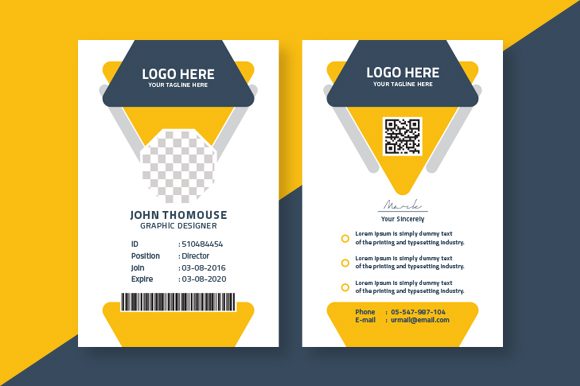
A creative ID card layout is designed to balance aesthetics with functionality. Unlike generic templates that offer limited customization, these designs allow you to adjust colors, fonts, images, and layout structures to reflect your personal or business identity. The Titillium font, often used in such templates, adds a modern yet clean touch, making text easy to read while still feeling stylish.
These layouts typically come with a high-resolution setting of 300 DPI, ensuring crisp prints whether you’re using them for lanyards, badges, or digital presentations. The use of CMYK color mode makes them ideal for professional printing, avoiding any unwanted color shifts. Additionally, many templates include a bleed setting of 0.125 inch, which ensures that no white borders appear when printed at scale.
Why Choose an Editable and Customizable Template?
Not all users have the same design needs. A customizable ID card template allows you to tailor every detail to fit your specific purpose. From adding company logos and contact information to integrating QR codes or social media links, the ability to edit elements gives you full control over the final product.
- Businesses can align their branding by using consistent colors and fonts across all materials.
- Event organizers might add event-specific details like dates, locations, or access levels directly into the layout.
- Educators can create student IDs with photos, names, and class schedules in a visually appealing format.
This level of adaptability means one template can serve multiple purposes—just change the content and style to suit each need.
Exploring Creative Possibilities
The beauty of a Creative ID Card Layout lies in its versatility. Here are some imaginative ways to use it:
1. Branding Badges for Startups
For startups, first impressions matter. Use a bold, minimalist layout to feature your logo, tagline, and core values. Incorporate subtle gradients or geometric shapes to add depth without overwhelming the viewer. This approach communicates professionalism and innovation from the get-go.
2. Artist Identity Cards
Artists and creatives can turn ID cards into mini-portraits. Add a small illustration, a signature line, or even a watercolor background to represent your artistic style. With an editable EPS file, you can easily integrate vector graphics that maintain quality at any size.
3. Educational Institution Staff IDs
Schools and universities often require staff identification. A custom layout can include titles, departments, and emergency contact info. Using soft pastel tones and clear typography helps ensure readability while maintaining a welcoming appearance.
4. Conference Attendee Passes
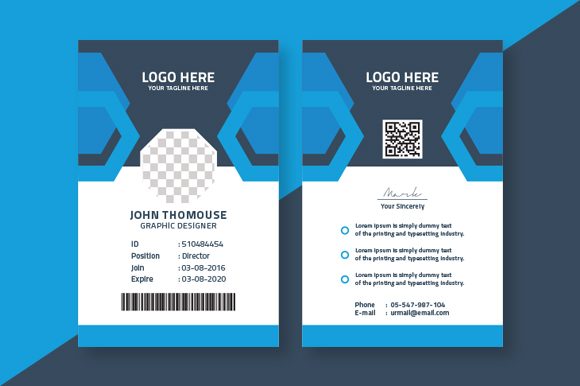
At conferences or trade shows, attendees may receive ID cards for access control. You can customize these with session schedules, speaker bios, or even a personalized message from the event host. Including a QR code that links to the event app or website adds a layer of convenience.
5. Membership Cards for Clubs and Organizations
Clubs, gyms, and community organizations benefit from ID cards that reinforce membership value. Consider including a member’s photo, join date, and exclusive benefits. A sleek, professional look can increase perceived value and encourage engagement.
Design Tips for Maximum Impact
Creating a standout ID card isn’t just about having the right tools—it’s about thoughtful execution. Here are some practical tips to keep your results effective and audience-friendly:
- Keep It Simple: Avoid clutter. Use whitespace strategically to guide the eye and highlight key information.
- Use High-Quality Images: Since image is not included in most templates, be sure to source or design a professional-quality photo that fits the theme.
- Stay Consistent: If you’re creating a series of ID cards (e.g., for a team), maintain the same layout structure, color scheme, and font choices to build cohesion.
- Test Before Printing: Print a sample on your chosen material to see how colors render and how the layout holds up under real-world conditions.
- Consider Context: Will the ID card be worn? Printed on a badge? Or used digitally? Adjust the design accordingly for optimal visibility and usability.
How Different Users Can Adapt the Template
One of the strengths of a creative ID card layout is how it can be adapted across industries and roles. Let’s break down how different professionals might use it:
For Marketers
Marketers can leverage ID cards as part of promotional campaigns. For example, a pop-up event could give out branded ID cards with a call-to-action or coupon code. The high resolution and CMYK settings ensure that the marketing message looks sharp and polished in print.
For Bloggers and Influencers
Bloggers and influencers can use ID cards during live events or meet-and-greets. Customize them with your handle, platform icons, and a short bio. These serve as both a name tag and a promotional tool, helping you connect with your audience in person.
For Freelancers
Freelancers working at client sites or co-working spaces can present themselves professionally with a custom ID card. Include your skills, availability, and contact details. A well-designed layout reinforces credibility and makes networking easier.
For Educators
Teachers and school staff can use ID cards to introduce themselves to students and parents. Add a friendly photo, subject area, and office hours. A clean, readable layout helps build trust and approachability.
For Event Planners
Event planners can issue custom ID cards to speakers, volunteers, and VIP guests. Tailor the layout with event themes, logos, and role indicators. An organized and consistent design streamlines event operations and enhances the overall experience.
Practical Inspiration and Recommendations
Here are some ideas to spark your creativity and streamline your process when working with a creative ID card layout:
- Use a grid system to align elements neatly and maintain balance in the composition.
- Experiment with iconography to replace lengthy text descriptions. Icons for phone numbers, emails, or social handles can make the card cleaner and more intuitive.
- Incorporate minimalist design principles if the card will be viewed from a distance. Large fonts and high-contrast colors improve legibility.
- Try double-sided layouts for extra space. One side can hold basic info, while the other includes a portfolio link, map, or schedule.
- Think about durability. If the ID card will be used frequently, choose a layout that works well with lamination or plastic card stock.
Remember, the goal is to communicate clearly while making a visual impact. A good layout should tell a story—whether it's about professionalism, creativity, or accessibility—without needing words to do all the work.
Organizing Your Design Process
To make the most of your creative ID card layout, follow a structured design workflow:
- Define the Purpose: Are you identifying someone, promoting a brand, or providing access? Clarify your objective before diving into design.
- Select a Theme: Choose a style that matches your brand or event. Modern, retro, playful, or formal—each brings a different tone.
- Plan the Hierarchy: Decide which elements are most important and place them prominently. Names and roles usually take priority.
- Choose a Color Palette: Stick to two or three main colors to avoid visual overload. Ensure there’s enough contrast between text and background.
- Include Supporting Details: Contact info, affiliations, or event specifics can add context and utility.
- Review for Clarity: Ask others to test-read the card. Is everything immediately understandable at a glance?
By staying focused on function and form, you'll end up with a design that's both beautiful and useful.
Getting Started with Your Own Creative ID Card Layout
If you’re ready to start designing, consider downloading a Creative ID Card Layout template that includes all the essentials: 300 DPI resolution, bleed settings, CMYK mode, and an EPS file for scalability. These downloadable files are often accompanied by a design help information file, guiding you through the editing process step by step.
Once you've selected your template, open it in your preferred design software (like Adobe Illustrator) and begin customizing. Replace placeholder text with your own, upload a high-resolution photo, and adjust colors to match your brand. Don’t forget to save your changes and double-check the layout before sending it to print.
Conclusion
A Creative ID Card Layout is much more than a simple design—it's a powerful tool for self-expression, branding, and organization. With features like free font usage, high resolution, and full editability, it empowers users across professions to create professional, impactful cards tailored to their needs. Whether you're designing for yourself, your team, or a special event, the right layout can elevate your presence and streamline your communication.
Now is the perfect time to experiment with your next ID card design. Try something new, think outside the box, and let your creativity shine through every detail.